Hydraulic bolt tensioning operates by using controlled fluid pressure from an external pump to stretch a stud axially until it lifts clear of the flange loading face. While industry terms are frequently generalised, it is critical to separate the removable tool from the permanent hardware configuration:
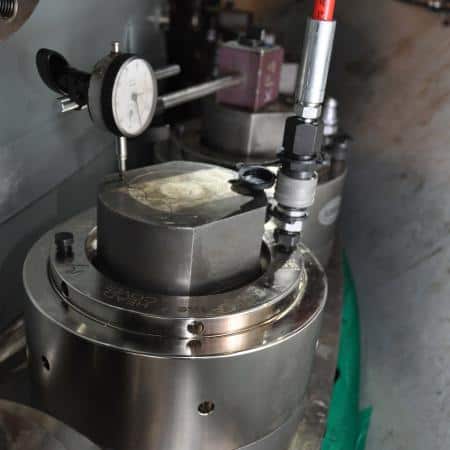
Bolt Tensioners: Specialised tools like the Technofast EziJac Bolt Tensioner range are fitted onto the protruding thread above a standard hex nut to pull the bolt, allow the joint nut to be seated friction-free, and are fully removed from the job once pressure is released.
Hydraulic Nuts: Permanent mechanical components like the EziTite® Hydraulic Nut that replace standard hex nuts completely, remaining permanently locked on the thread assembly to continuously maintain the required structural clamping load.
What is a Bolt Tensioner
A bolt tensioner is a temporary hydraulic tool used to apply a precise, pre-determined clamping force to threaded fasteners by axially stretching the stud. Unlike traditional rotational torque methods, an accurate bolt tensioner completely eliminates thread friction and fastener galling variables during joint assembly
How the Tensioning Process Works
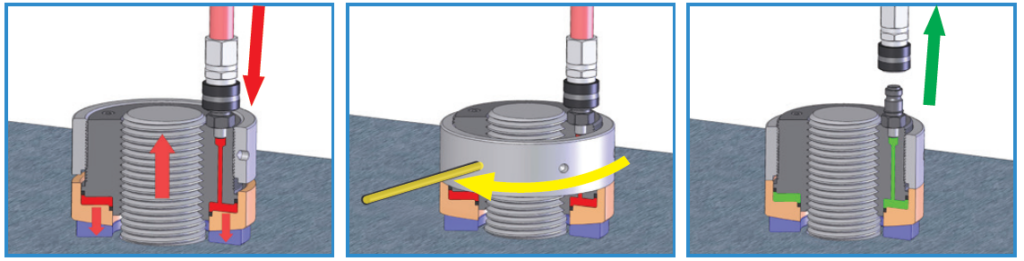
Install the Tool
Fit the hydraulic bolt tensioning tool assembly over the stud to be tightened, ensuring the internal puller socket is fully threaded onto the protruding stud end above the main joint hex nut
Activate the Pump
Connect the high-pressure hydraulic hose line to the tool's input ports and activate the external hydraulic power unit to feed high-pressure fluid into the internal load cell.
Axial Stretch (Load Generated)
As pressure builds inside the internal chamber, the hydraulic piston forces the puller sleeve upward, axially stretching the structural bolt to its exact pre-calculated tension
Lock the Nut
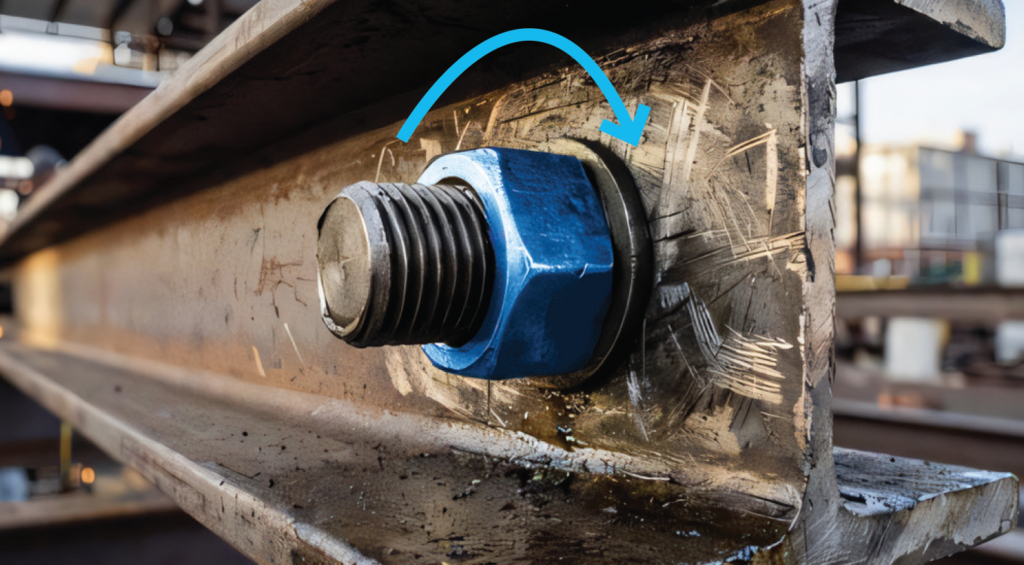
Using a pin spanner or nut rotator mechanism to manually spin the original joint hex nut down the elongated thread until it rests tightly against the flange interface face
Release Fluid Pressure
The hydraulic pressure is released, perfectly transferring 100% of the accurate preload to the connection
✓ Eliminates Friction: Delivers exact, pre-calculated tension directly to the bolt without losing energy to thread friction
✓ Zero Torsional Stress: Stretches the bolt purely along its axis, preventing dangerous twisting or shearing forces
✓ Enhanced Operator Safety: Operates via remote hydraulic pressure, keeping hands away from heavy striking or torquing tools
✓ Uniform Compression: Allows multiple tensioners to link together, tightening a whole flange simultaneously for a perfect, leak-free seal
✓ Reduced Downtime: Speeds up maintenance turnarounds with fast setup, simultaneous operation, and quick breakdown times
Frequently Asked Questions
What is the difference between a bolt tensioner and a hydraulic nut?
A bolt tensioner is a temporary tool used to stretch a bolt during assembly and is removed afterward. A hydraulic nut permanently replaces the standard hex nut on the joint, remaining in place to maintain the hydraulic tension over time.
What is the difference between bolt tensioning and torquing?
Torquing uses rotational force to tighten nuts, creating high friction that compromises bolt load accuracy. Conversely, our EziJac Bolt Tensioning range directly stretches the bolt axially using high-pressure hydraulics. Once the bolt is stretched, the nut is tightened by hand, completely eliminating friction errors to ensure perfectly uniform joint clamping.
Can EziJac tensioners be used on any standard bolt or stud?
They work on standard heavy hex bolts and studs, provided there is enough thread protrusion. The stud must extend above the standard nut by at least 1x to 1.5x the bolt diameter so the tensioner’s puller sleeve can grip it securely.
How accurate is hydraulic bolt tensioning compared to torquing?
Hydraulic tensioning applies direct axial force, bypassing thread friction entirely to achieve an accuracy of ±1% to 5% of the calculated load. Traditional torquing can vary by up to ±30% because friction absorbs most of the applied force.
Ready to Upgrade Your Bolting Precision? Contact our technical team today to find the perfect bolt tensioning solution for your specific application requirements on +61 (0)7 3803 6550 or fill out our quick online enquiry form.
Technofast Industries is an worldwide leader and specialist in Bolt Tensioning, providing innovative and effective technical solutions along with uncomprising customer service.